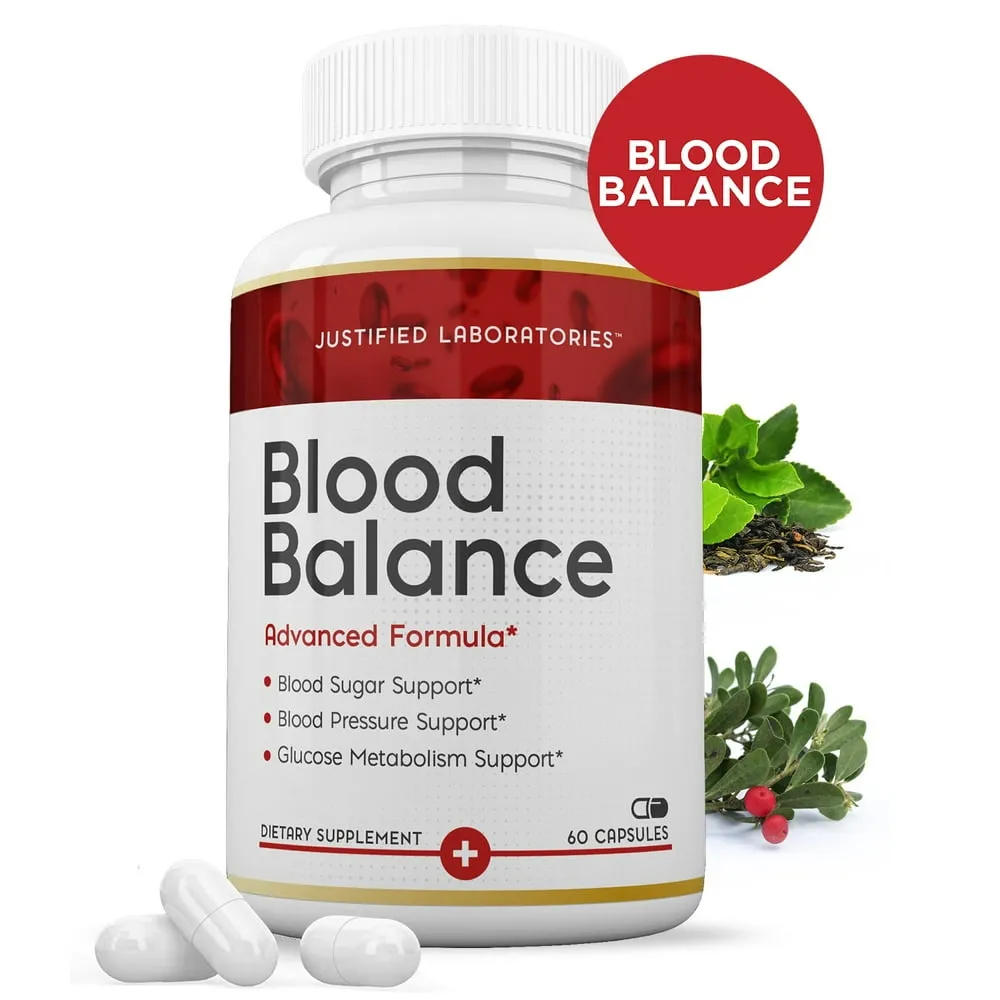
Appetite suppressants are a popular tool for weight management and can play a crucial role in promoting better health. These supplements work by reducing hunger and cravings, making it easier for individuals to stick to a healthy diet and achieve their weight loss goals. In recent years, appetite suppressants have gained popularity as more people look for effective ways to improve their health and well-being. In this article, we will explore the benefits of appetite suppressants, how they work, and how they can be used to unlock their full potential for better health.
Understanding Appetite Suppressants
Appetite suppressants are dietary supplements or medications that work by suppressing the appetite and reducing the feeling of hunger. They can be used as a tool to help individuals control their food intake and make healthier choices. Appetite suppressants work by targeting different mechanisms in the body that regulate hunger and satiety, such as increasing levels of certain hormones that signal fullness or reducing the production of hormones that stimulate hunger.
There are various types of appetite suppressants available, including natural supplements like hoodia gordonii and glucomannan, as well as prescription medications like phentermine and liraglutide. While natural supplements are generally considered safe, prescription medications should only be used under the supervision of a healthcare provider due to their potential side effects.
The Benefits of Appetite Suppressants
Appetite suppressants offer a range of benefits for individuals looking to improve their health and manage their weight. Some of the key benefits include:
- Weight Loss: Appetite suppressants can help individuals lose weight by reducing their calorie intake and promoting a feeling of fullness, leading to a decreased appetite and decreased food cravings.
- Improved Metabolism: Some appetite suppressants can also boost metabolism, helping the body burn more calories and fat even at rest.
- Reduced Risk of Chronic Diseases: By promoting weight loss and healthy eating habits, appetite suppressants can help reduce the risk of chronic diseases like heart disease, diabetes, and certain types of cancer.
- Increased Energy Levels: Appetite suppressants can help individuals feel more energized and focused by stabilizing blood sugar levels and preventing energy crashes caused by overeating.
How Appetite Suppressants Work
Appetite suppressants work by targeting different pathways in the body that regulate hunger and satiety. Some of the key mechanisms by which appetite suppressants work include:
- Increasing Levels of Fullness Hormones: Appetite suppressants can increase the levels of hormones like leptin and peptide YY that signal fullness to the brain, helping individuals feel satisfied and reducing their overall food intake.
- Decreasing Levels of Hunger Hormones: Some appetite suppressants can also reduce the production of hormones like ghrelin that stimulate hunger, leading to a decreased appetite and fewer food cravings.
- Regulating Blood Sugar Levels: Appetite suppressants can help stabilize blood sugar levels and prevent spikes and crashes that can lead to overeating and weight gain.
Using Appetite Suppressants for Better Health
When used correctly, appetite suppressants can be a valuable tool for improving health and managing weight. Here are some tips for using appetite suppressants effectively:
- Consult a Healthcare Provider: Before starting any appetite suppressant regimen, it’s important to consult a healthcare provider to ensure that it’s safe and appropriate for your individual needs.
- Follow Dosage Instructions: Always follow the recommended dosage instructions provided by the manufacturer or healthcare provider to ensure the effectiveness and safety of the appetite suppressant.
- Combine with Healthy Diet and Exercise: Appetite suppressants work best when combined with a healthy diet and regular exercise routine. Focus on eating a balanced diet rich in fruits, vegetables, lean proteins, and whole grains, and aim for at least 30 minutes of physical activity each day.
- Stay Hydrated: Drinking plenty of water can help curb hunger and prevent overeating. Aim to drink at least 8-10 glasses of water per day to stay hydrated and support the effectiveness of the appetite suppressant.
- Monitor Progress: Keep track of your food intake, weight loss progress, and any side effects you may experience while using appetite suppressants. This can help you adjust your regimen as needed and ensure that you’re on the right track to better health.
Conclusion
Appetite suppressants can be a valuable tool for individuals looking to improve their health, manage their weight, and make healthier choices. By targeting hunger and cravings, appetite suppressants can help individuals control their food intake, lose weight, and reduce the risk of chronic diseases. When used correctly and in combination with a healthy diet and exercise, appetite suppressants can unlock their full potential for better health and well-being. Consult a healthcare provider to determine if appetite suppressants are right for you and start your journey to a healthier, happier you.