Introduction
Weight loss is a common goal for many people, and there are countless diets and weight loss programs available. But what is the best diet for weight loss? In this article, we will explore the science behind the best diet for weight loss, focusing on evidence-based strategies that have been proven to be effective.
Understanding Weight Loss
Before diving into the best diet for weight loss, it’s important to understand the basic principles of weight loss. Weight loss occurs when you consume fewer calories than you burn, creating a calorie deficit. This deficit forces your body to use stored fat as energy, leading to weight loss.
Calorie Deficit
The key to successful weight loss is creating a calorie deficit. This can be achieved through a combination of diet and exercise. By consuming fewer calories than your body needs, you force it to tap into its fat stores for energy, leading to weight loss.
Best Diet for Weight Loss
While there are many diets claiming to be the best for weight loss, the most effective diet is one that is sustainable and provides a balance of nutrients. Here are some key components of the best diet for weight loss:
1. Balanced Macronutrients
A balanced diet includes carbohydrates, protein, and fats in the right proportions. Carbohydrates provide energy, protein helps build and repair tissues, and fats are essential for hormone production and absorption of fat-soluble vitamins.
2. Whole Foods
Focusing on whole, minimally processed foods is key to a healthy diet. These foods are rich in nutrients and fiber, which can help you feel full and satisfied while consuming fewer calories.
3. Portion Control
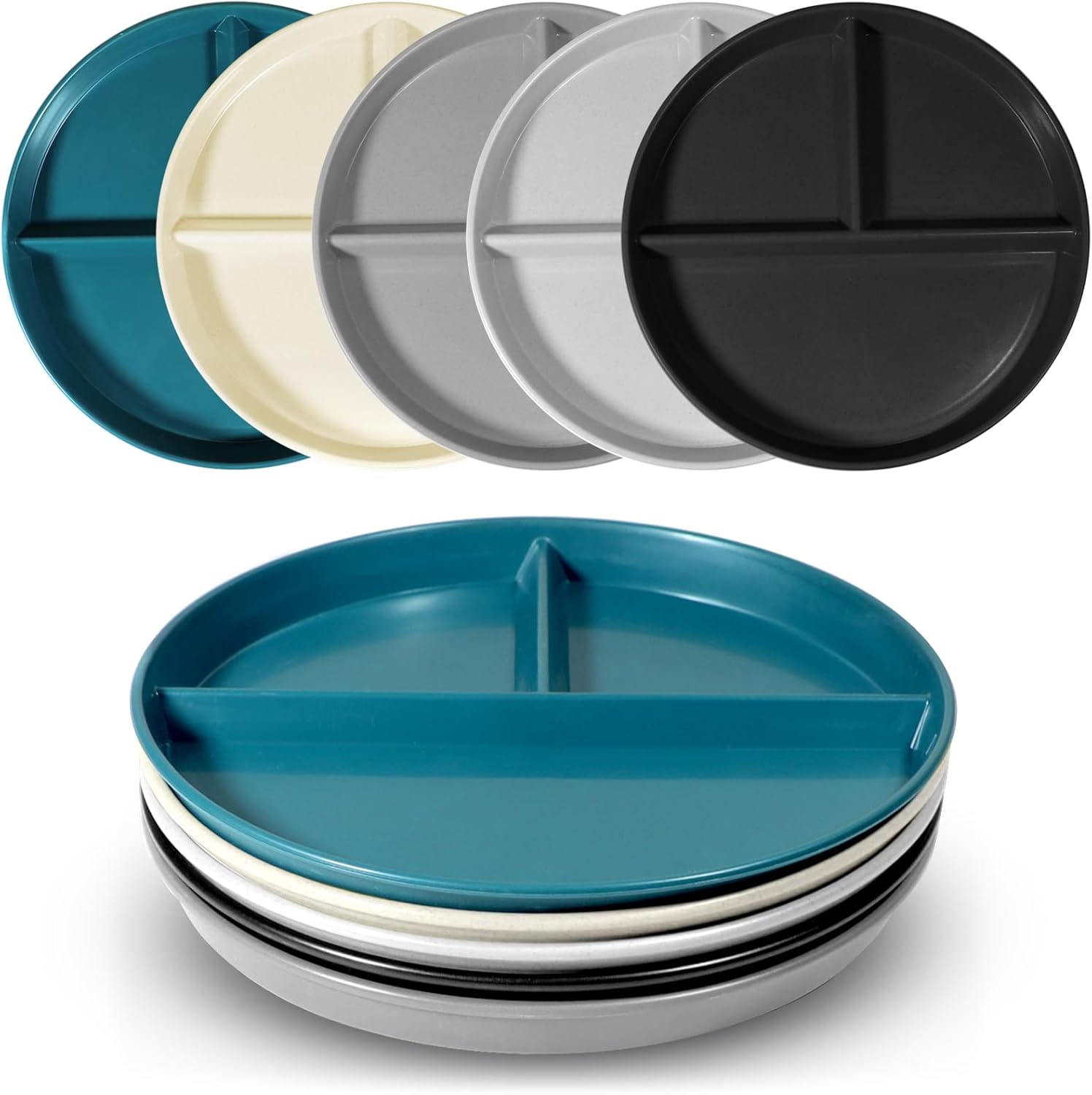
Controlling portion sizes is crucial for weight loss. Even healthy foods can contribute to weight gain if consumed in large quantities. Paying attention to portion sizes can help you manage your calorie intake effectively.
4. Regular Exercise
While diet plays a significant role in weight loss, regular exercise is also important. Physical activity helps burn calories, build muscle, and improve overall health. Aim for a combination of cardio and strength training for optimal results.
5. Hydration
Staying hydrated is essential for weight loss. Drinking water before meals can help you feel full and consume fewer calories. Aim to drink at least 8-10 glasses of water per day to support weight loss efforts.
Popular Weight Loss Diets
There are several popular diets that claim to be effective for weight loss. While some of these diets may produce short-term results, sustainability and long-term success are key factors to consider. Here are a few popular weight loss diets:
keto diet
The ketogenic diet is a high-fat, low-carbohydrate diet that forces the body into a state of ketosis, where it burns fat for fuel. While the keto diet can be effective for weight loss, it may be challenging to maintain in the long term due to its restrictive nature.
Paleo Diet
The paleo diet focuses on eating whole, unprocessed foods that mimic the diet of our ancestors. While the paleo diet can be effective for weight loss, it may be difficult to sustain in the long term due to its restrictions on dairy, grains, and legumes.
Intermittent Fasting
Intermittent fasting involves cycling between periods of eating and fasting. This approach can be effective for weight loss and may have other health benefits, but it may not be suitable for everyone and can be challenging to maintain long term.
Conclusion
When it comes to weight loss, the best diet is one that is sustainable, balanced, and tailored to your individual needs. By focusing on whole foods, portion control, regular exercise, and hydration, you can achieve lasting results. Remember to consult with a healthcare provider or registered dietitian before making any drastic changes to your diet or exercise routine.