Introduction
Weight management is a topic that is often surrounded by myths and misconceptions. With so much information available online and in the media, it can be difficult to separate fact from fiction. In this article, we will debunk some of the most common myths about weight management and provide you with accurate information to help you achieve your health and fitness goals.
Myth 1: You Have to Eat Less to Lose Weight
One of the most common myths about weight management is that you have to eat less in order to lose weight. While it is true that creating a calorie deficit is necessary for weight loss, this does not mean that you have to starve yourself. In fact, drastically reducing your calorie intake can have negative effects on your metabolism and overall health.
The key to successful weight loss is to focus on eating a balanced diet that includes a variety of nutrient-dense foods. By choosing whole foods such as fruits, vegetables, lean proteins, and whole grains, you can nourish your body while still creating a calorie deficit. Additionally, incorporating regular exercise into your routine can help you burn extra calories and support your weight loss efforts.
Myth 2: Carbs Are Bad for Weight Loss
Another common myth about weight management is that carbohydrates are bad for weight loss. While it is true that some carbs, such as refined sugars and white bread, can contribute to weight gain, not all carbohydrates are created equal. In fact, complex carbohydrates such as whole grains, fruits, and vegetables are an important part of a healthy diet and can support weight loss when consumed in moderation.
Carbohydrates are the body’s primary source of energy, and cutting them out completely can leave you feeling fatigued and unmotivated. Instead of eliminating carbs from your diet, focus on choosing high-fiber, nutrient-dense options that will keep you feeling full and satisfied. By incorporating a balance of carbohydrates, protein, and fats into your meals, you can support your weight loss goals while still enjoying a variety of foods.
Myth 3: You Have to Exercise for Hours Every Day
Many people believe that in order to lose weight, you have to exercise for hours every day. While exercise is an important component of weight management, the amount of time you spend working out is not as critical as the quality of your workouts. High-intensity interval training (HIIT) and strength training exercises can be highly effective for burning calories and building muscle in a shorter amount of time.
Instead of focusing on the duration of your workouts, concentrate on the intensity and variety of your exercises. By incorporating a mix of cardio, strength training, and flexibility exercises into your routine, you can maximize your calorie burn and improve your overall fitness level. Additionally, finding activities that you enjoy can help you stay motivated and make exercise a sustainable part of your lifestyle.
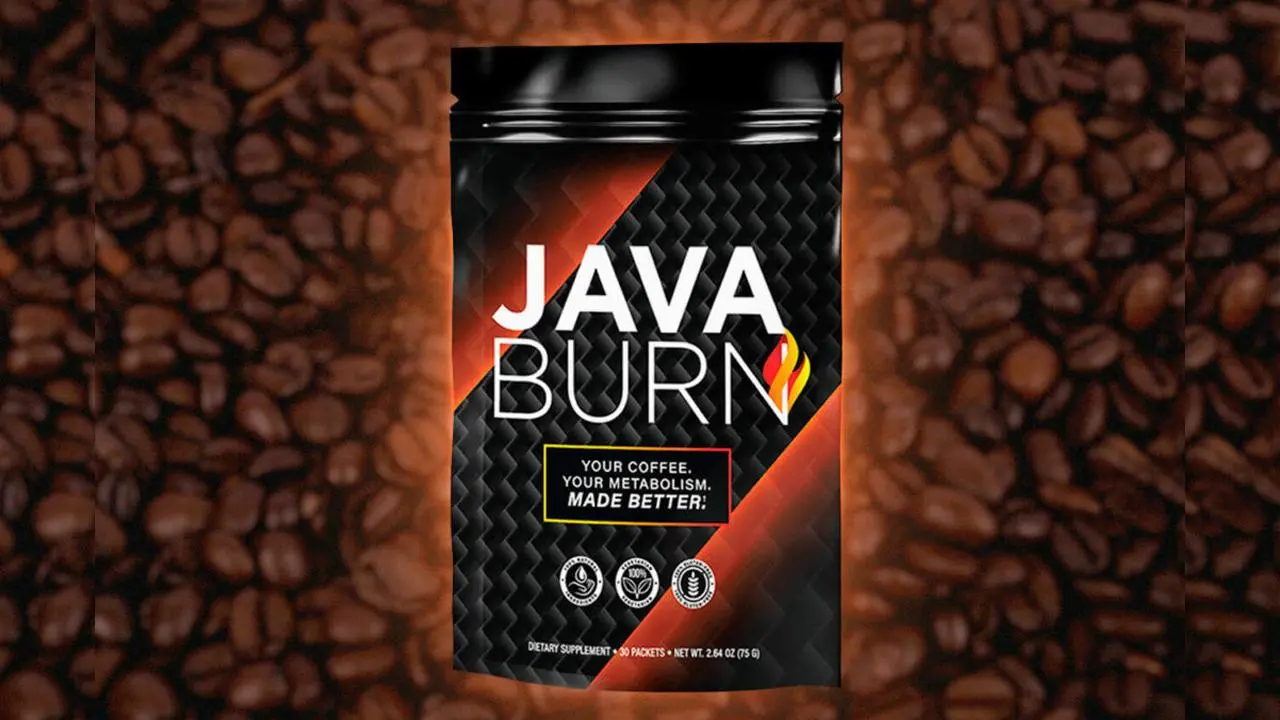
Myth 4: Supplements Are the Key to Weight Loss
With the rise of the supplement industry, many people believe that taking pills or powders is the key to weight loss. While some supplements may have benefits for weight management, they are not a magic solution for shedding pounds. In reality, the most effective way to lose weight is through a combination of a healthy diet, regular exercise, and lifestyle modifications.
Before considering any weight loss supplements, it is important to consult with a healthcare provider or registered dietitian to ensure they are safe and appropriate for your individual needs. Additionally, focusing on whole foods and nutrient-dense meals can provide your body with the essential vitamins and minerals it needs to support weight loss and overall health.
Myth 5: You Can Spot Reduce Fat
One of the biggest myths about weight management is the idea of spot reduction, or the belief that you can target specific areas of your body for fat loss. Unfortunately, this is not how weight loss works. While you can strengthen and tone specific muscle groups through targeted exercises, you cannot selectively reduce fat in one area of your body.
The best way to lose fat and improve your overall body composition is through a combination of cardiovascular exercise, strength training, and a healthy diet. By focusing on creating a calorie deficit and building lean muscle mass, you can achieve a balanced and sustainable approach to weight management. Remember that everyone’s body is different, and it is important to be patient and consistent with your efforts.
Conclusion
Weight management is a complex and multifaceted process that requires a combination of healthy eating, regular exercise, and lifestyle modifications. By debunking common myths and focusing on evidence-based practices, you can achieve your weight loss goals in a safe and sustainable way. Remember that no two individuals are the same, and it is important to listen to your body and make choices that support your overall health and well-being.