Many people struggle with weight loss because they feel deprived and restricted by traditional diets. The key to sustainable weight loss is to ditch the diet mentality and adopt a more balanced approach to eating. By making small, manageable changes to your eating habits and lifestyle, you can lose weight without feeling deprived. In this article, we will explore some tips and strategies for losing weight without resorting to strict diets.
Focus on Whole Foods
One of the best ways to lose weight without feeling deprived is to focus on whole, unprocessed foods. These foods are rich in nutrients and fiber, which can help you feel full and satisfied. By filling your plate with fruits, vegetables, whole grains, lean proteins, and healthy fats, you can nourish your body and curb cravings for unhealthy foods.
Include Protein in Every Meal
Protein is an essential nutrient for weight loss because it helps you feel full and satisfied. Make sure to include a source of protein in every meal, such as lean meats, poultry, fish, eggs, tofu, or legumes. Protein-rich foods can help stabilize blood sugar levels and prevent overeating.
Practice Mindful Eating
Mindful eating is a practice that involves paying attention to your food and eating habits. By slowing down and savoring each bite, you can become more in tune with your hunger and fullness cues. This can help you avoid overeating and make healthier choices. Try to eat without distractions, such as watching TV or scrolling on your phone.
Stay Hydrated
Drinking plenty of water throughout the day can help you stay hydrated and curb cravings for unhealthy snacks. Sometimes, we mistake thirst for hunger, so staying hydrated can help prevent unnecessary snacking. Aim to drink at least 8 glasses of water per day.
Get Moving
Exercise is an important component of weight loss and overall health. Find activities that you enjoy, whether it’s walking, running, dancing, or yoga. Aim to get at least 30 minutes of moderate exercise most days of the week. Exercise not only helps burn calories but also boosts your mood and energy levels.
Set Realistic Goals
When it comes to weight loss, it’s important to set realistic and achievable goals. Instead of aiming for rapid weight loss, focus on making small, sustainable changes to your lifestyle. Set specific goals, such as eating more vegetables, reducing sugar intake, or getting more exercise. Celebrate your progress along the way and be kind to yourself if you slip up.
Practice Self-Compassion
Weight loss is a journey that can be filled with ups and downs. It’s important to practice self-compassion and kindness towards yourself. Remember that nobody is perfect, and it’s okay to indulge in a treat occasionally. Instead of beating yourself up for slip-ups, focus on getting back on track and making healthier choices.
Get Support
Having a support system can make a big difference in your weight loss journey. Whether it’s a friend, family member, or a support group, having someone to cheer you on and hold you accountable can help keep you motivated. Share your goals with others and ask for help when you need it.
Track Your Progress
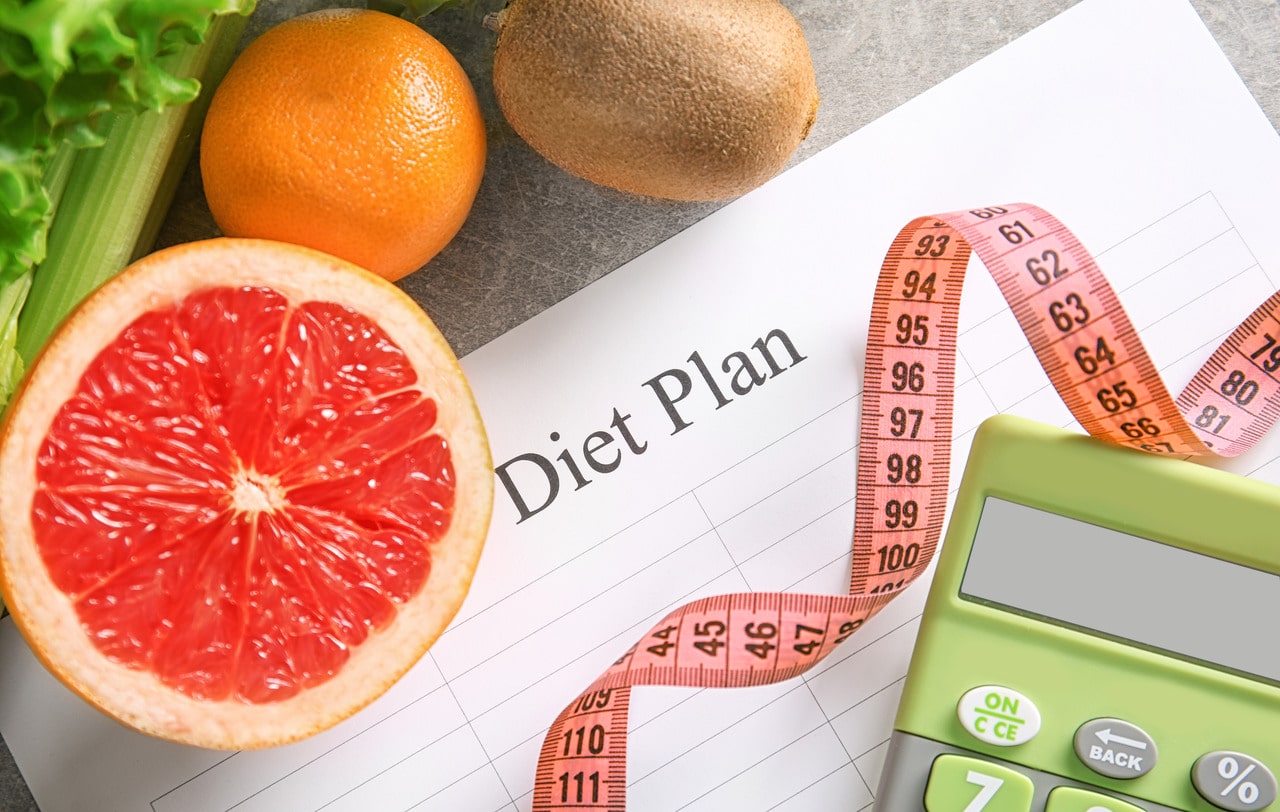
Keeping track of your progress can help you stay motivated and focused on your weight loss goals. Consider keeping a food journal, tracking your workouts, or taking measurements of your body. Seeing how far you’ve come can give you the motivation to keep going.
Focus on Health, Not Just Weight
Remember that weight loss is not just about the number on the scale. Focus on improving your overall health and well-being, rather than just losing weight. Pay attention to how you feel, both physically and mentally, as you make changes to your lifestyle. Celebrate small victories, such as having more energy, sleeping better, or improving your mood.
Conclusion
Losing weight without feeling deprived is possible with a balanced and sustainable approach to eating and lifestyle. By focusing on whole foods, including protein in every meal, practicing mindful eating, staying hydrated, and getting moving, you can achieve your weight loss goals without resorting to strict diets. Set realistic goals, practice self-compassion, get support, track your progress, and focus on improving your overall health. Remember that weight loss is a journey, and it’s important to be patient and kind to yourself along the way.