Introduction
Belly fat, also known as visceral fat, is a common problem for many people. Not only does it affect our appearance, but it also poses serious health risks. The good news is that there is science behind losing belly fat and keeping it off. In this article, we will explore the mechanisms of belly fat accumulation, the scientific strategies for losing it, and tips for maintaining a healthy weight in the long term.
Understanding Belly Fat
Before we delve into how to lose belly fat, it’s important to understand what it is and why it accumulates in the first place. Belly fat, or visceral fat, is stored deep within the abdominal cavity and surrounds vital organs such as the liver, pancreas, and intestines. Unlike subcutaneous fat, which lies just beneath the skin, visceral fat is metabolically active and releases inflammatory substances that can lead to various health problems.
Causes of Belly Fat Accumulation
There are several factors that contribute to the accumulation of belly fat, including genetics, diet, physical activity levels, and hormonal imbalances. A diet high in processed foods, sugar, and unhealthy fats can promote the storage of visceral fat, while a sedentary lifestyle can further exacerbate the problem. Hormones such as cortisol, insulin, and leptin also play a role in regulating fat storage and metabolism.
The Science of Losing Belly Fat
Now that we understand the causes of belly fat accumulation, let’s explore the science behind losing it. The key to losing belly fat is creating a calorie deficit, which means consuming fewer calories than your body needs to maintain its current weight. This forces your body to tap into its fat stores for energy, leading to weight loss.
Dietary Strategies
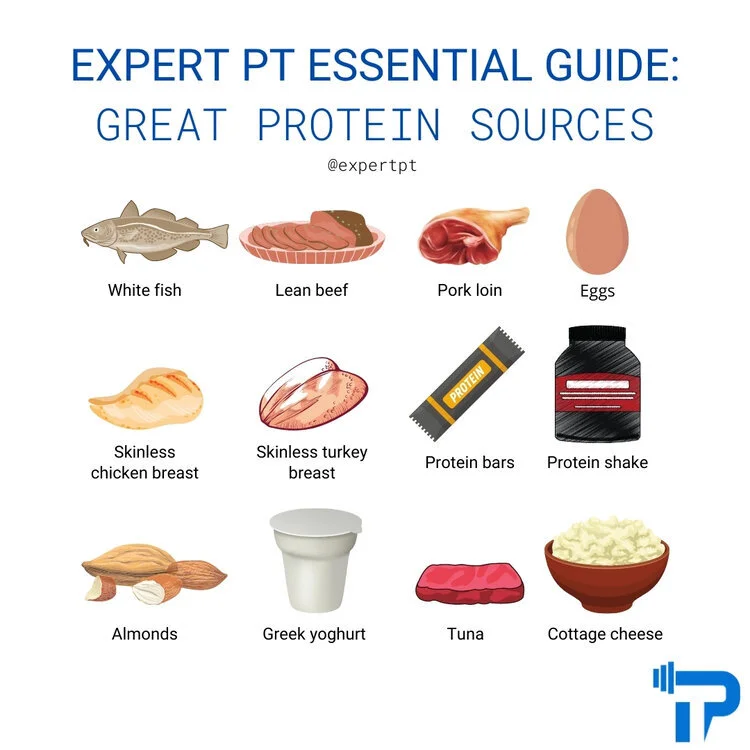
When it comes to losing belly fat, diet plays a crucial role. A balanced diet rich in whole foods such as fruits, vegetables, lean proteins, and whole grains can help reduce belly fat. Foods high in fiber, protein, and healthy fats can promote satiety and reduce overall calorie intake. Avoiding sugary drinks, processed foods, and trans fats is also important for belly fat loss.
Exercise and Physical Activity
In addition to diet, exercise is essential for losing belly fat. Aerobic exercises such as running, cycling, and swimming can help burn calories and improve overall fitness. Strength training exercises such as weightlifting can increase muscle mass, which in turn boosts metabolism and helps burn more calories at rest. Incorporating both aerobic and strength training into your fitness routine is key to losing belly fat.
Stress Management
Chronic stress can lead to the accumulation of belly fat by increasing levels of the hormone cortisol. Finding healthy ways to manage stress, such as meditation, yoga, or deep breathing exercises, can help reduce cortisol levels and promote belly fat loss. Getting an adequate amount of sleep is also important for managing stress and maintaining a healthy weight.
Maintaining Weight Loss
Losing belly fat is one thing, but keeping it off in the long term is another challenge. Here are some tips for maintaining weight loss and preventing the re-accumulation of belly fat:
1. Stay Consistent
Consistency is key when it comes to maintaining weight loss. Stick to healthy eating habits and regular exercise routines to prevent the regain of belly fat.
2. Monitor Your Progress
Keep track of your weight, measurements, and body fat percentage to monitor your progress and make adjustments as needed.
3. Set Realistic Goals
Set achievable goals for yourself and celebrate small victories along the way to stay motivated and on track.
4. Practice Mindful Eating
Pay attention to your hunger cues and eat mindfully to prevent overeating and unnecessary weight gain.
5. Stay Active
Stay active throughout the day by taking short walks, using the stairs, or engaging in other forms of physical activity to maintain your weight loss.
Conclusion
Losing belly fat and keeping it off requires a combination of healthy eating, regular exercise, stress management, and lifestyle changes. By understanding the science behind belly fat accumulation and weight loss, you can take proactive steps to improve your health and well-being. Remember to consult with a healthcare professional before making any significant changes to your diet or exercise routine. With dedication and perseverance, you can achieve your weight loss goals and maintain a healthy weight in the long term.